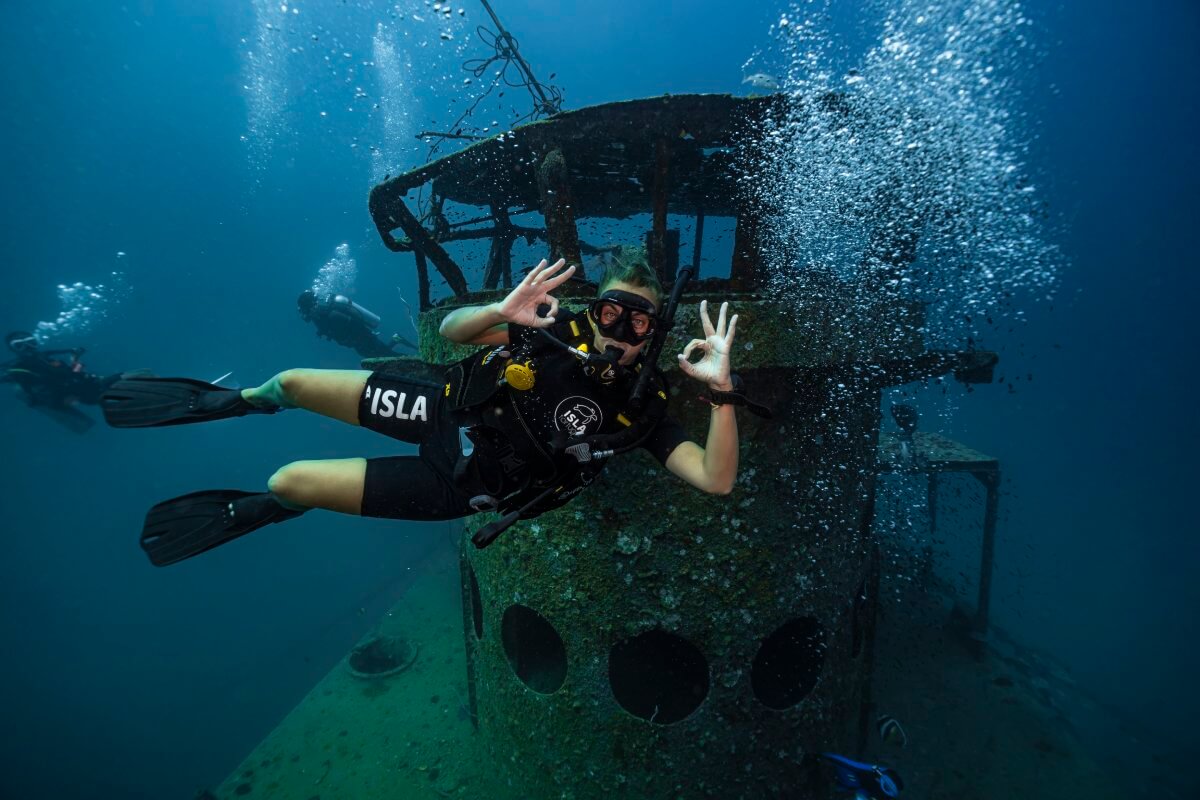
Most people come to Koh Tao for a week. Many stay for a month. Some are still here years later, having quietly rearranged their lives around an island that refused to let them go.
We understand this completely. At Isla Tortuga Divers, we have watched it happen repeatedly: divers who arrived with a return ticket and left without one, Divemaster candidates who came for a course and stayed for a career, digital nomads who chose Koh Tao for a short stint and discovered they had no desire to leave.
This guide is not for the week-long visitor. It is for the person who is asking the bigger question: what is it actually like to live and dive here, month by month, season by season, year round? Here is our honest answer.
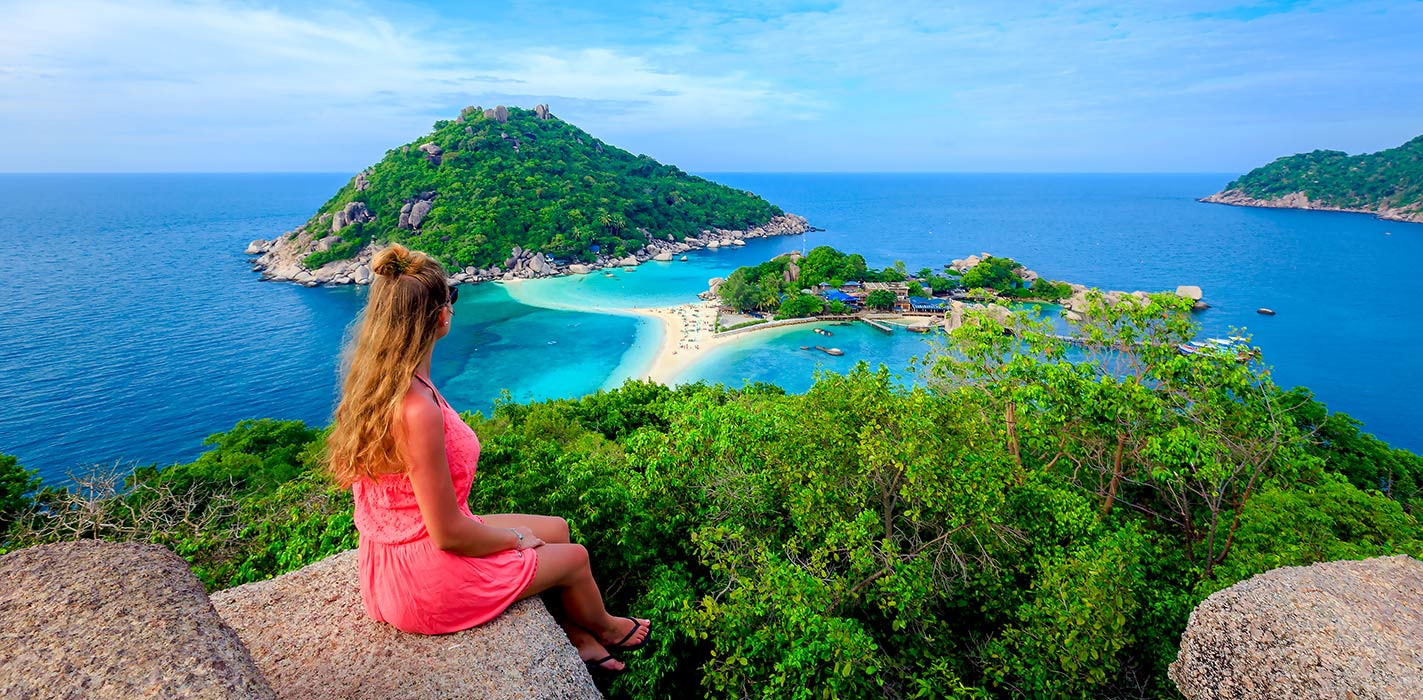
Your Ultimate Insider’s Guide to Living and Diving in Koh Tao
Koh Tao is a small island in the Gulf of Thailand with a permanent population of around 2,000 people and a floating population of divers, instructors, expats, digital nomads and long-stay visitors that swells significantly during peak season.
It covers approximately 21 square kilometres, which means you will know every road, beach and viewpoint within days.
What makes it unusual as a long-stay destination is the combination of a world-class reason to be there — the diving — and a community built almost entirely around people who came for that same reason.
The social fabric of Koh Tao is woven from shared dives and post-dive evenings. It is one of the more naturally cohesive expat communities in Southeast Asia.

The Best Time to Visit Koh Tao for Diving
Understanding the island’s rhythm is the first thing anyone planning an extended stay needs to do. The calendar here shapes everything: which dive sites are accessible, how busy the island is, how expensive accommodation is, and what the social energy feels like.
January and February: The Recovery
The year typically kicks off with a surge in tourism, as Christmas and New Year visitors from across Thailand arrive on Koh Tao in large numbers.
With the island still transitioning out of the monsoon season, the weather can be variable, often bringing bright sunny days interspersed with occasional rain. Visibility on the west coast begins to improve from mid-month, while the sea gradually settles into longer periods of calm.
Tourist numbers remain consistently high from this point through to at least the end of March, and with Songkran in mid-April, the high season often extends through April—and in recent years, often to the end of May.
For long-stay visitors and Divemaster candidates, this is an excellent time to arrive, as dive conditions show a noticeable improvement throughout February.
However, as this is peak season, accommodation prices tend to rise and remain elevated until high season tails off.
You can expect some variability in diving conditions early in January, with steady improvements as February approaches.
March, April and May: Mid Peak Season
This is Koh Tao at full volume.
The Gulf of Thailand is at its calmest, visibility regularly touches 20–30 metres, and whale shark season peaks between March and May.
Accommodation fills up and prices rise accordingly.
For living here long-term, peak season is energising but can feel crowded. The dive sites are busy, the ferry queues are long, and the island’s infrastructure — which is modest — gets noticeably stretched.
The trade-off is that the diving is genuinely spectacular, the social calendar is full, the sun almost never stops shining and the sunsets are, well stunning!
June: The Wind Arrives
From around beginning of June, sometimes even late May, a south-westerly wind settles in and the west coast becomes choppy for extended periods. Sairee Beach — the island’s main social hub — can feel rougher and less inviting, though the east coast moves into its finest season: flat, clear, virtually traffic-free.
For long-stay divers, this is the season that teaches you the most. Navigating daily condition decisions, knowing which sites are open and why, developing the kind of contextual knowledge that only comes from diving through a season — all of this happens in June and July as we move into the islands second “mini” peak season.
July & August: European Family season
This is Koh Taos second “high season” period that coincides with European summer. Much shorter than the late Dec – April high season expect arrivals to the island to pick up through second week of July with what often seems like a mass exodus at the end of August.
This period sees many young families visiting as well as older visitors so expect restaurants to be busy and resorts and hotel rooms to be in short supply.
Although the south westerly can get quite strong, the skies are normally blue with the sun shining strong!
Dive sites can be busy at times without being super crowded.
The end of August is a great time for divers wishing to stay for several weeks to months due to the upcoming drop in tourists and the nice weather and conditions September and October offer.
September and October: The Hidden Best Months
We will say something here that surprises many first-time visitors: September and October are among our favourite months on the island.
The east coast diving can be beautiful. Hin Wong Bay, Tanote Bay and Lighthouse Bay offer some of the clearest, most serene conditions of the year, with almost no boat traffic and the kind of intimacy that crowded peak season sites rarely deliver.
Tourist numbers drop relative to July & August and accommodation rates ease, and the island has a calmer, more local feel. September in particular is exceptional — conditions stabilise, whale sharks make their return appearance, and you can often have entire dive sites to yourself.
October continues September’s pattern: excellent east coast diving, improving west coast conditions as the south-westerly wind fades, and a generally settled island atmosphere.
November: The Transition
End of October – beginning of November marks the start of the monsoon season proper. Rain arrives, sometimes for extended periods, and west coast visibility can drop significantly when runoff follows heavy rainfall.
The island thins out noticeably. Accommodation prices fall. For budget-conscious long-stay visitors or Divemaster trainees who need to be on the island regardless of conditions, November offers genuine value.
December: Low Season with Pockets of Magic
December has a reputation as a difficult diving month, and on its worst days that reputation is earned. But Koh Tao’s monsoon is shorter and less severe than on Koh Samui, and there are extended good windows within the month.
The island has a particular energy in early December — quieter, more local, with a tight-knit community of people who are there by choice rather than by tourist season.
Accommodation is cheaper, dive sites are less crowded, and you have time to learn the island’s rhythms before the busy season changes the energy.
Although relatively quiet for the first two to three weeks of December, the run up to Christmas sees a significant increase in tourist visitors and is widely seen as the beginning of high season.
Be prepared to pay a premium for accommodation from around the third week of the month.
For anyone on a Divemaster program or simply living on the island long-term, the December atmosphere is a meaningful part of the Koh Tao experience that fair-weather visitors never encounter.
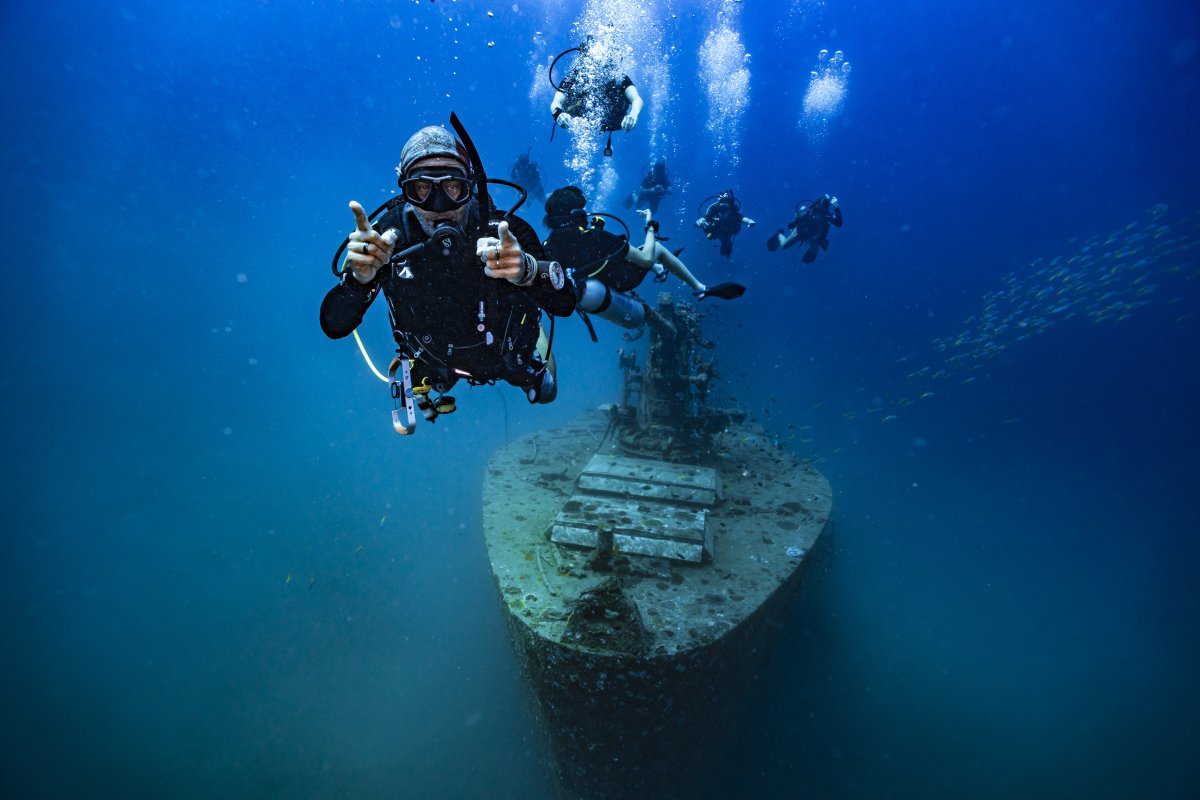
Essential Diving Gear for Koh Tao
If you are staying on Koh Tao for more than a month, the question of gear quickly becomes relevant. Renting works for short visits, but divers planning extended stays or professional training benefit significantly from having their own equipment.
What to Prioritise
A well-fitted wetsuit is the single most important purchase a long-stay diver can make. Rental wetsuits on any high-volume dive island are unavoidably compromised — worn neoprene, occasional fit issues, the slight discomfort of shared equipment. Your own 3mm full suit, fitted properly, makes a difference every day you dive.
A dive computer is the second priority. Long-stay divers accumulate dives at a pace that makes personal tracking genuinely important. Knowing your own historical nitrogen loading, your air consumption trends and your depth profiles requires a computer that is calibrated to your dives, not a rental unit reset for each user.
What You Can Rent
Everything else can be rented reliably from Isla Tortuga Divers. BCD, regulator, fins, mask, torch — all maintained to professional standards. Many long-stay divers bring a mask and fins as personal items and rent the heavier equipment, which balances travel weight against the comfort benefit of familiar kit.
For Divemaster candidates and PADI IDC students, owning a full equipment set becomes increasingly important as training progresses. Your instructor will advise on timing and priorities as your program develops.
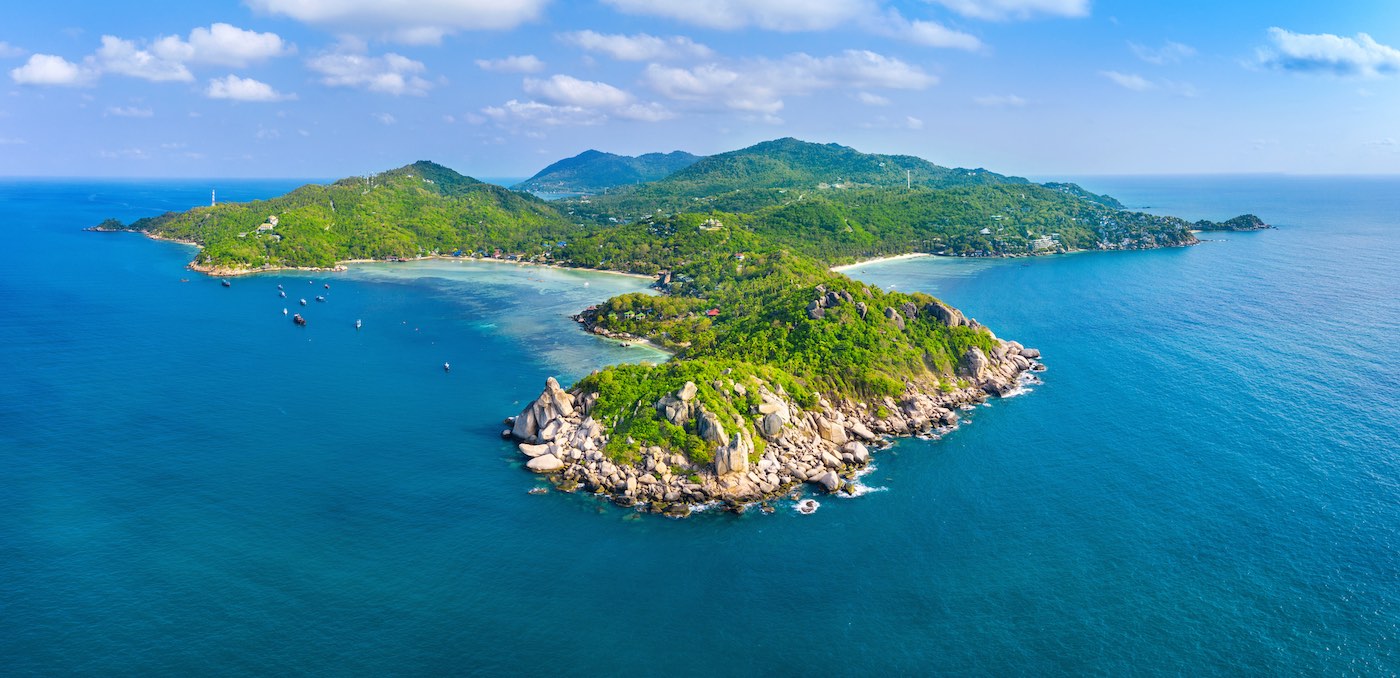
Top Diving Spots Around Koh Tao
Koh Tao has more than 25 established dive sites accessible by short boat ride, plus the offshore pinnacles that require longer crossings. For a long-stay diver, the variety across the year is one of the island’s most enduring pleasures — no two months offer quite the same portfolio of accessible sites.
The Year-Round Classics
White Rock and Twins Pinnacle are accessible for most of the year and consistently reward repeat visits. Both sites have enough topographic variety and marine life density to offer something different on every dive.
Experienced divers find that these sites reveal layers of detail over dozens of visits that a single-day visitor will never see.
Chumphon Pinnacle is the standout site for experienced divers, accessible on settled days throughout the year and offering the island’s best pelagic encounters. The satellite pinnacles around the main rock reward divers who know the site well enough to navigate independently — a level of familiarity that develops naturally over an extended stay.
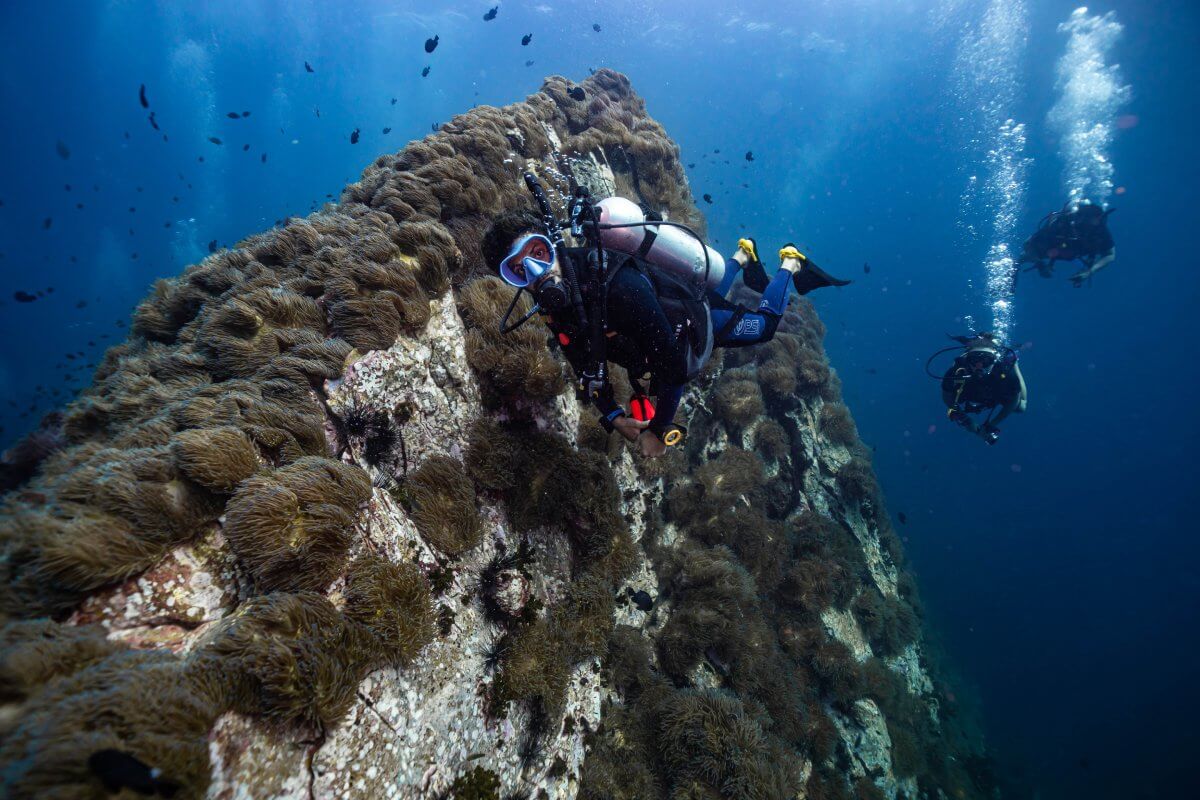
Sail Rock: The Day That Changes Everything
No extended stay on Koh Tao is complete without at least one Sail Rock day. The 90-minute crossing, the schools of barracuda, The Chimney, the possibility of a whale shark in the blue — it is the dive that every long-stay diver on the island talks about and returns to whenever conditions allow.
For Divemaster candidates, a Sail Rock dive is a professional education in offshore site management, current reading and group leadership. For recreational divers, it is simply one of the finest diving experiences in Southeast Asia.
We run Sail Rock trips twice a week throughout the year at Isla Tortuga Divers, subject to sea conditions.
East Coast Gems
The east coast sites — Hin Wong Bay, Tanote Bay, Lighthouse Bay — are the long-stay diver’s secret weapons during the windy season months.
These bays face away from the prevailing wind and offer sheltered, clear conditions when the west coast is rough. They are also home to exceptional macro life and a quieter, more contemplative style of diving.
Divers who stay on Koh Tao for multiple months frequently find that their favorite dives happened on the east coast during the shoulder season.
There is something about those quiet, sheltered bays, flat water and no other boats in sight that produces a quality of diving experience the busiest peak season sites cannot match.
Living in Koh Tao: Accommodations and Lifestyle
Finding the right accommodation on Koh Tao for a long stay is different from booking a week’s holiday. The economics shift significantly once you are renting monthly rather than by the night, and the priorities change accordingly.
Where to Base Yourself
Sairee Beach is the island’s social and commercial hub. The main strip runs along the west coast and houses the majority of the island’s restaurants, bars, dive shops and convenience stores. It is the obvious choice for first-time long-stay visitors and Divemaster candidates who want to be at the centre of island life.
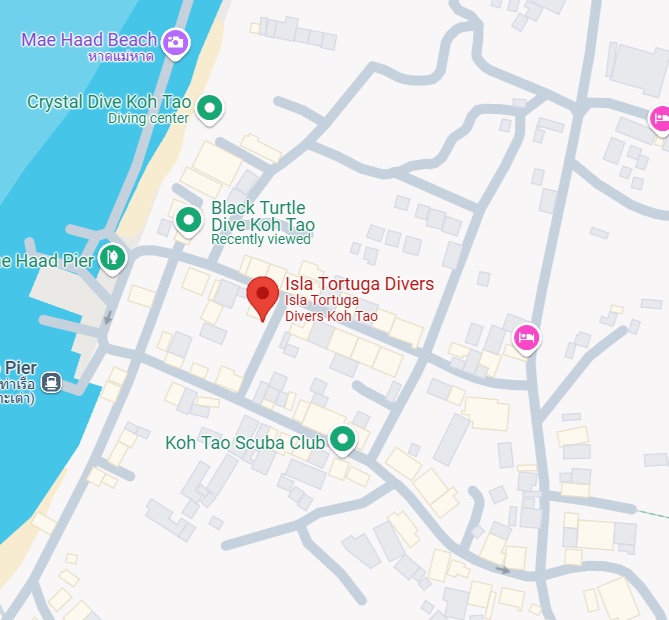
Mae Haad, around the pier, is slightly more practical than social — it is where the ferries arrive, where the banks are, and where the island’s small supermarket options are located. It suits divers who value convenience over atmosphere and want slightly more local, less tourist-facing surroundings.
Chalok Ban Kao, on the south coast, is quieter and increasingly popular with longer-term residents. Rental prices are generally lower than Sairee, the pace is slower, and the beach at Chalok is one of the island’s most genuinely beautiful.
The trade-off is a scooter ride to most of the dive shops and restaurants, though the south coast has its own growing cluster of cafes and accommodation.
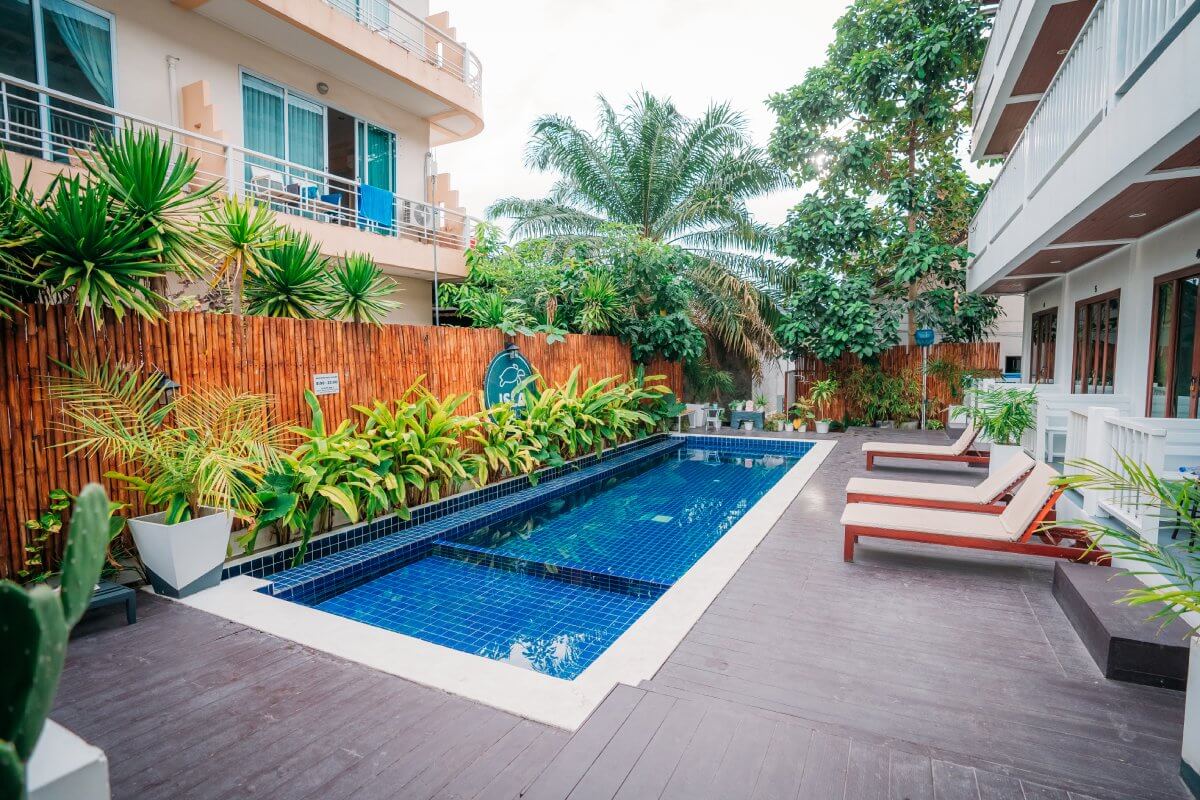
Monthly Rental Costs in 2026
Monthly rental on Koh Tao varies significantly by location, quality and negotiation. As a general guide for 2026:
A basic fan room or guesthouse room without air conditioning runs from approximately 6,000–9,000 THB per month. An air-conditioned studio with private bathroom, reliable WiFi and a kitchen area runs from 12,000–18,000 THB.
A more comfortable one-bedroom apartment with modern facilities, weekly cleaning and a good location sits between 18,000–30,000 THB.
Long-term rates are always significantly lower than nightly tourist rates. The key is to negotiate monthly terms directly rather than booking through tourist channels. Most of the better long-stay accommodation on Koh Tao is found through word-of-mouth, local Facebook groups and by walking the areas you prefer and asking directly.
The Practical Reality of Island Life
Koh Tao is a small island and its infrastructure reflects that. The roads are mostly concrete or compacted dirt, and the primary mode of transport is a scooter, which you will hire for around 2,500–3,500 THB per month.
None of this is a complaint. It is simply the island. Part of the appeal of living on Koh Tao long-term is accepting the trade: you give up certain urban conveniences and in return you gain a life built around the sea. Most people who have made that trade describe it as one of the better decisions they have made.
Local Cuisine: Must-Try Foods in Koh Tao
The food culture on Koh Tao is one of its genuine pleasures, and long-stay visitors quickly develop rituals and favourites that become part of the rhythm of island life.
Thai Street Food
The night market along Sairee Beach is where most long-stay divers eat most nights, and for good reason. A meal at a street food stall — pad thai, massaman curry, green papaya salad, grilled pork with sticky rice — costs between 60 and 120 THB and is typically excellent. The consistency of the island’s street food is one of the things that keeps people here.
Som tam (green papaya salad) and khao man gai (poached chicken on rice) are the two local staples that deserve to be eaten regularly.
Both are available cheaply all day at multiple spots around Sairee and Mae Haad. Breakfast at the night market stalls, which are set up fresh from early morning, is one of the island’s quiet pleasures.
Seafood
As an island in the Gulf of Thailand, Koh Tao has excellent fresh seafood that costs a fraction of what it would in a Western restaurant context. Grilled whole fish, tiger prawns and squid are available at beachfront restaurants for between 200 and 400 THB, and the quality is consistently high when you are eating at places that source daily from local boats.
The morning market near Mae Haad pier is where locals buy fresh fish, produce and prepared food. For long-stay visitors who cook occasionally at home, this is where you stock a kitchen for far less than you would spend eating out every meal.
Western and International Options
Koh Tao’s expat population has produced a surprising range of non-Thai dining options. Wood-fired pizza, Mexican food, Japanese ramen and European-style cafes all exist on the island alongside the Thai staples.
These options cost more than street food — a Western restaurant meal sits between 200 and 450 THB — but are significantly cheaper than equivalent meals in Western countries.
For divers spending months on the island, having genuine variety in the food landscape matters for quality of life in ways that a week-long visitor does not experience.
Safety Tips for Divers in Koh Tao
Koh Tao has an exceptionally strong dive safety culture, and the island’s concentration of professional divers contributes to that in structural ways. Here are the safety principles that matter most for long-stay divers.
Dive Within Your Certification and Experience
This sounds obvious but becomes genuinely relevant after weeks of diving when familiarity can breed complacency.
Advanced certification opens more sites and greater depth, but the discipline of planning within your actual limits — not the theoretical maximum of your certification — is what keeps long-stay divers diving safely through an extended program.
At Isla Tortuga Divers, we discuss dive plans with all our divers regardless of certification level. A diver doing their fiftieth dive at Chumphon Pinnacle gets the same honest assessment of conditions and recommended depth profile as a diver doing their first.
Hydration, Rest and Dive Spacing
The combination of tropical heat, sun exposure during surface intervals and the cumulative physical effect of multiple daily dives makes hydration and rest more important than most recreational divers account for.
Dehydration is a contributing factor in decompression sickness, and diving fatigued compromises judgment in ways that are easy to underestimate.
For long-stay divers doing three dives per day over multiple weeks, building genuine rest days into the schedule is not optional. The body needs time off-gassing and recovery.
Most experienced long-stay divers on Koh Tao adopt a pattern of two or three dive days followed by a rest day, and find it sustains their energy and enjoyment through a long program far better than diving every available day.
The Koh Tao Dive Safety Network
One of the island’s structural safety assets is the tight communication between dive centres. All operators on Koh Tao share weather and condition reports, coordinate on missing diver protocols and maintain the kind of inter-centre cooperation that is rare in high-volume dive destinations elsewhere.
The island also has a resident hyperbaric chamber for decompression injury treatment, manned by qualified medical personnel. For long-stay divers, knowing that this facility exists and understanding how to access it is a straightforward piece of preparation that your dive centre can brief you on during your first week.
Environmental Conservation Efforts in Koh Tao
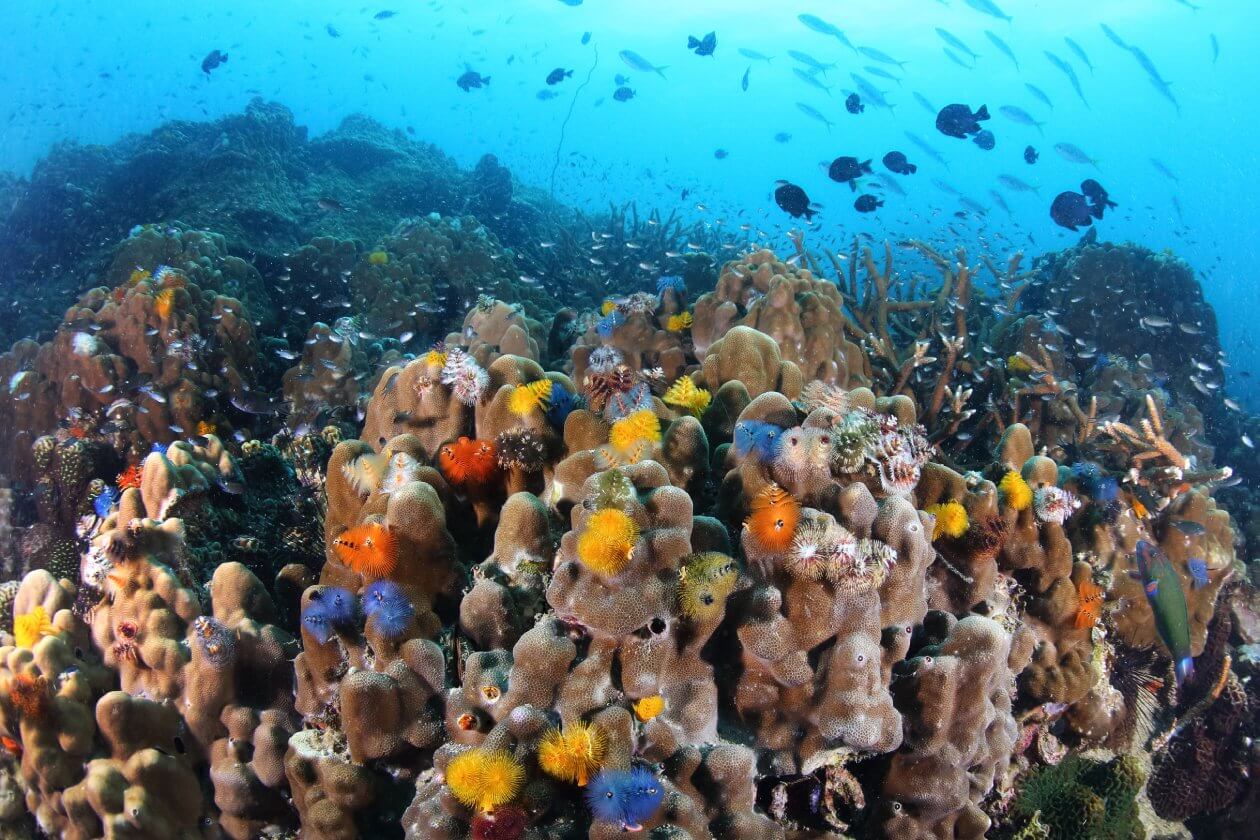
Koh Tao’s marine environment is the reason everyone is here. The island’s conservation infrastructure has grown significantly over the past decade and is now one of the most active in the Gulf of Thailand.
Coral Restoration Programs
Several dive centres and independent conservation organisations on the island run active DMCR Approved coral restoration programs. Broken coral fragments are collected, attached to underwater nursery structures and grown until they are large enough to be transplanted back to the reef.
Volunteers and dive professionals contribute regularly to these programs, which have expanded significantly in recent years.
At Isla Tortuga Divers, we actively support coral conservation work on the reefs we dive every day. Long-stay divers who want to contribute to the island’s marine environment can speak to us about volunteering opportunities and conservation-focused diving programs.
Beach and Reef Clean-Ups
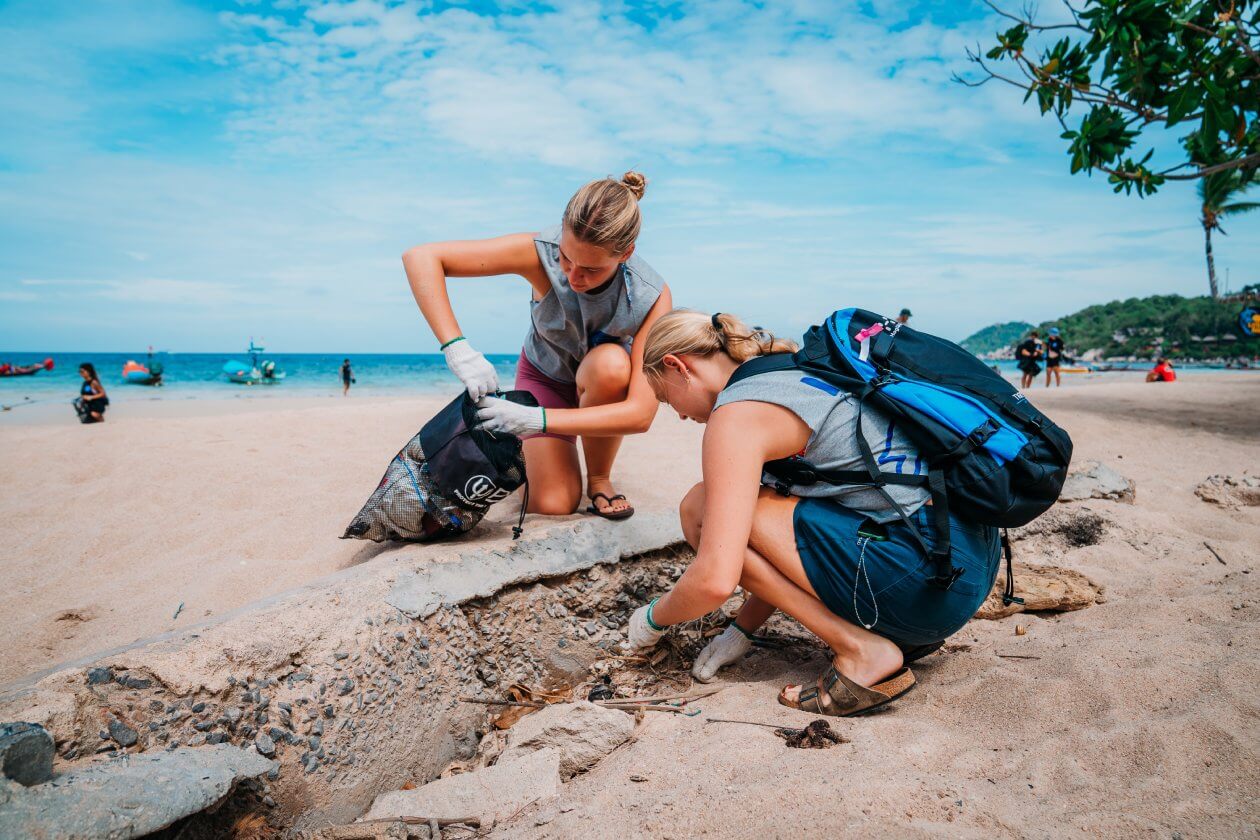
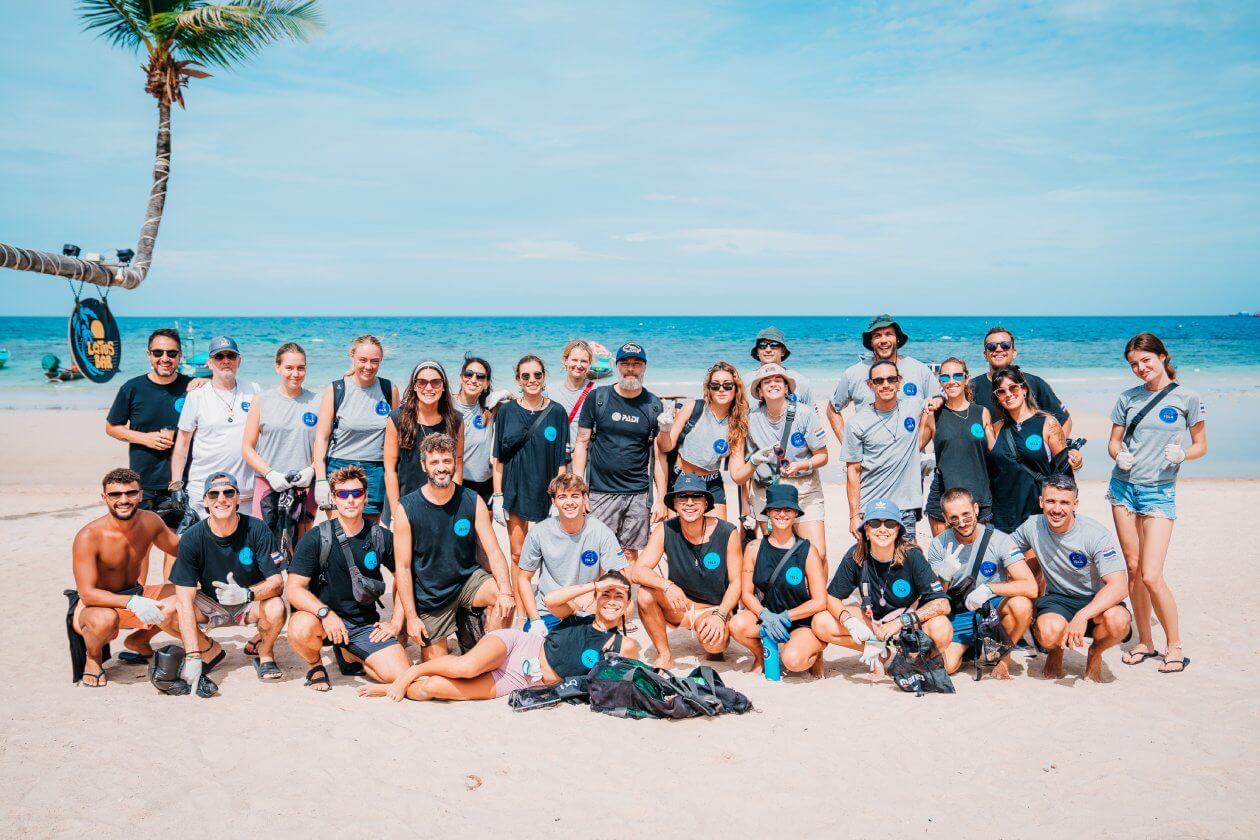
Regular beach and underwater clean-up events are part of the island’s calendar, organised by dive centres, conservation groups and the local community collectively. These events are social as well as purposeful — they are among the most reliably attended community activities on the island and a good entry point for newcomers to the long-stay community.
The PADI Dive Against Debris specialty, which combines formal certification with structured underwater clean-up methodology, is particularly relevant for long-stay divers who want to contribute in a meaningful, systematic way.
Responsible Diving Every Day
The most important conservation contribution a long-stay diver makes is not a one-off event but the accumulated daily choices: not touching the reef, not stirring up silt with poor buoyancy, not standing on coral, not chasing or harassing marine life.
These habits become automatic over time — another reason why the PADI Peak Performance Buoyancy course is particularly valuable for divers planning extended stays on the island.
Fun Activities Beyond Diving in Koh Tao
Living on Koh Tao long-term means the island becomes home rather than destination. That relationship is healthier and more sustainable when diving is not the only thing filling your days.
Hiking and Viewpoints
Koh Tao’s interior is a network of jungle trails connecting its viewpoints, and the views from the island’s higher points are genuinely worth the climb.
The John Suwan Viewpoint on the south of the island looks out over the Gulf in both directions and is best in the early morning or late afternoon before the heat peaks. The hike takes around 30 to 45 minutes from Freedom Beach and requires nothing more than a comfortable pair of shoes.
The trail to Mango Bay on the north of the island passes through forest that is quieter and less touristed than the beach areas, and delivers to a bay accessible only on foot or by boat. For long-stay residents who need a break from the dive community energy, an afternoon walk to a deserted bay is an hour well spent.
Rock Climbing
Koh Tao has a small but enthusiastic rock climbing community centred on a granite boulder field on the island’s southern coast. Routes range from beginner-friendly to genuinely challenging for experienced climbers, and the community around the site is welcoming to newcomers.
Climbing provides both a physical workout and a social outlet distinct from the dive world, which matters for long-stay residents who want variety in their community connections. Several operators offer guided introductory sessions for divers who have never climbed before.
Muay Thai
A handful of gyms on the island offer Muay Thai training at all levels. For long-stay residents doing multiple dives per day, Muay Thai provides a land-based physical discipline that complements diving well: core strength, flexibility and the kind of focused physical engagement that makes evening rest genuinely restorative.
Training is available at modest daily or monthly rates and requires no prior experience. Many Divemaster candidates adopt a pattern of morning Muay Thai and afternoon diving that becomes one of the defining rhythms of their time on the island.
The Social Life
Koh Tao’s social scene is built around the diving community and has a character quite distinct from mass-tourism party islands like Koh Phangan next door. The nightlife is present but human-scale — a handful of beach bars, occasional live music, the kind of socialising that ends at midnight rather than dawn.
For long-stay residents, the social life is primarily about community rather than entertainment. Post-dive evenings, dive planning conversations over dinner, the informal networks that form between diving instructors, candidates and long-stay divers — these are the relationships that give extended Koh Tao stays their texture. They develop naturally when you are here long enough to let them.
Embracing the Koh Tao Experience
The people who stay longest on Koh Tao are rarely the ones who planned to. They are the ones who arrived, started diving, and gradually realised that the combination of world-class underwater experiences, a tight-knit community of people who share their values, and a pace of life that makes room for what matters was not available anywhere else they had been.
Living here is not without its limitations. It is a small island, infrastructure is limited, and the outside world can feel genuinely distant from the end of a dive boat in the Gulf of Thailand. But those limitations are also, in their way, the point.
At Isla Tortuga Divers, we are here every day. We dive every site in every season. We know which months are hardest and which are secretly the best. We know the accommodation options, the conservation projects, the trails and the tides.
If you are considering an extended stay — whether as a Divemaster candidate, a long-stay diver, or simply someone whose plan to leave keeps getting revised — come and talk to us.
Planning an extended stay or Divemaster program in Koh Tao? Contact the Isla Tortuga Divers team and we will help you plan your time on the island from the first conversation.
Written by Lucas Levy @ Isla Tortuga Divers
Award-Winning PADI Platinum Course Director | Isla Tortuga Divers General Manager | Shaping New Divers into Successful Dive Professionals Across Thailand’s Gulf | Conservation Diver Instructor | EN/FR/ES/PT
How long do most people stay on Koh Tao?
Is Koh Tao good for digital nomads?
The social scene is active and the cost of living is modest. The limitation is the island’s small size — after several months, some people find the boundaries constraining. It works best as part of a rotating schedule rather than a permanent base.
What is the best month to arrive for a Divemaster program?
September offers calmer conditions, smaller groups and a second whale shark window. Speak to the team at Isla Tortuga Divers about current program availability before booking your travel.
How much does it cost to live comfortably on Koh Tao per month?
Budget living on street food and basic accommodation is possible for around 18,000–22,000 THB. These figures do not include diving or course fees.
Is Koh Tao safe for solo travelers?
What visa do I need for a long stay in Thailand?
Speak to a visa specialist or the Thai consulate in your country for current requirements, as visa regulations can change.