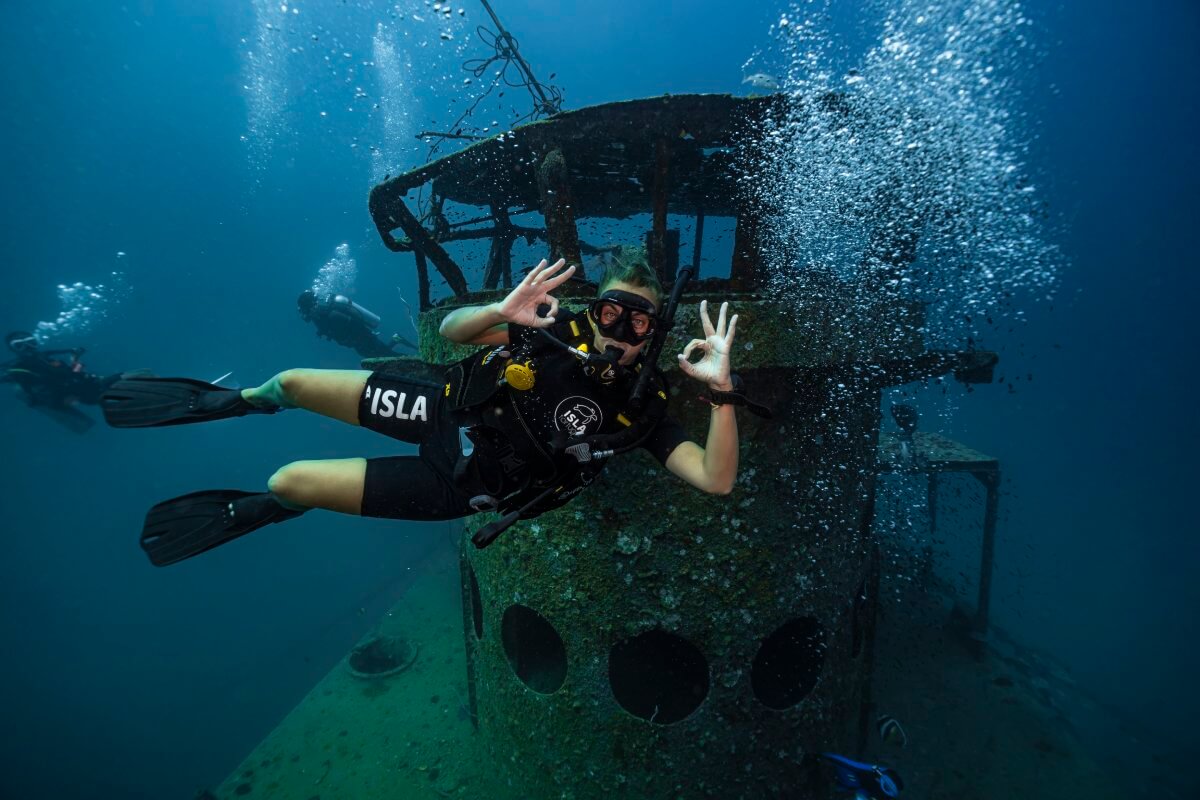
PADI Specialties Count Toward Master Scuba Diver
You have your Open Water certification. You are diving regularly, growing in confidence, and starting to think about what comes next. This is the point where the PADI pathway opens up in a direction most new divers do not fully explore until they are already on it.
PADI Specialty courses are the engine of continuing education in recreational diving. They extend your skills, broaden your experience, and each one moves you closer to the most respected non-professional level in diving: the PADI Master Scuba Diver rating.
This guide explains exactly how the Master Scuba Diver pathway works, which core specialties we offer at Isla Tortuga Divers, and how to choose the combination that best fits your goals and the diving you love.
PADI Specialty Courses: Which Count for Master Scuba Diver?
Every single PADI Specialty Diver certification counts toward your Master Scuba Diver rating. There is no fixed list of required specialties — you choose five from over 20 available options and build a pathway that reflects your own interests and aspirations.
This flexibility is one of the things that makes the MSD program genuinely meaningful. Whether you are drawn to deep exploration, marine conservation, technical configuration or underwater photography, the specialties you choose define the kind of diver you become.
At Isla Tortuga Divers on Koh Tao, we offer specialties that best match the diving available on and around the island. Each one makes you a more capable, more knowledgeable and more confident diver — and each one brings the MSD rating one step closer.

What Is the PADI Master Scuba Diver Rating?
The PADI Master Scuba Diver (MSD) is the highest recreational diving level in the PADI system. It is not a standalone course but a rating — a formal recognition that you have built a significant and well-rounded body of diving knowledge and experience.
Fewer than two percent of PADI divers ever achieve it. That is not because it is inaccessible, but because most divers stop progressing after their Open Water or Advanced certification and never discover how much more the sport has to offer.
When you present a Master Scuba Diver certification, the diving world recognises it immediately. It signals that you have invested in your skills, dived in a range of environments, and hold a level of expertise that sets you apart from the recreational majority.
The Full Requirements
To qualify for the PADI Master Scuba Diver rating, you must hold all of the following:
- PADI Open Water Diver(or qualifying equivalent)
- PADI Advanced Open Water Diver(or qualifying equivalent)
- PADI Rescue Diver (or qualifying equivalent)
- Five PADI Specialty Diver certifications
- Minimum of 50 logged dives
The minimum age is 12 years old. The five specialties must be issued through PADI specifically — certifications from other agencies do not count toward this requirement, though your Open Water, Advanced and Rescue certifications from other recognised agencies are accepted.
How Long Does It Take?
There is no time limit on earning your MSD. Some divers complete it over a single extended trip to Koh Tao. Others build toward it over years of diving in different locations, gathering specialties that match each destination.
At Isla Tortuga Divers, we regularly help divers plan an MSD pathway during a stay on the island. With several specialties available, a Rescue Diver course and access to some of the best diving in Southeast Asia, Koh Tao is one of the most efficient and rewarding places in the world to work toward the rating.
The Adventure Dive Credit: A Useful Shortcut
If you have already completed your PADI Advanced Open Water course, you may be closer to several specialty certifications than you realise.
Each Adventure Dive completed as part of the Advanced Open Water course can count as the first dive of the corresponding specialty. For example, if you dived a Deep Adventure dive during your AOW, that counts as Dive 1 of the Deep Diver Specialty. You then need only the remaining dives — typically two or three — to complete the full certification.
This credit system applies to any specialty that was included as an Adventure Dive option. It is worth discussing with your instructor at Isla Tortuga Divers before you start any specialty, since it can meaningfully reduce the time and cost of completing your pathway.
Popular Specialties We Offer at Isla Tortuga Divers
Deep Diver
The PADI Deep Diver Specialty extends your certified depth limit to 40 metres and teaches the skills to manage it safely. The course covers advanced gas management, nitrogen narcosis recognition, emergency decompression procedures and the use of depth-specific equipment including emergency deco cylinders.
Koh Tao is exceptional for deep diving training. Chumphon Pinnacle and the satellite pinnacles at Sail Rock provide genuine deep-water conditions rather than the artificial environments some centres use. If the Deep Adventure dive was part of your AOW, you need just three more dives to complete the full specialty.
Night Diver
The PADI Night Diver Specialty is three dives conducted entirely after dark, teaching you to navigate, communicate and observe marine life in conditions that transform a familiar reef into a completely different world.
Training takes place at White Rock, Koh Tao’s premier night dive site, where giant groupers hunt, blue-spotted rays cruise the open sand and bioluminescence lights the water column on the right nights. Night diving is consistently cited as one of the most memorable experiences in recreational diving, and the specialty is one of the most enjoyable of the five to complete.
Nitrox Enriched Air
The PADI Enriched Air Nitrox specialty is the most popular certification in recreational diving, and for good reason. By increasing the oxygen percentage in your breathing gas, Nitrox extends your No-Decompression Limits at moderate depths — giving you more bottom time on every dive.
The course can be completed as a classroom-only certification in a single afternoon. There are no required dives, though many students choose to add them to see their computer limits increase in real time.
At Isla Tortuga Divers, we recommend Nitrox to any diver planning to visit Sail Rock or Chumphon Pinnacle, where average depths frequently reduce NDL on standard air.
Peak Performance Buoyancy
Peak Performance Buoyancy (PPB) is built around a single principle: the diver who has mastered their position in the water column is a safer, more observant and more environmentally responsible diver.
The course covers precise weighting, horizontal trim, advanced fin techniques and the breathing patterns that allow effortless depth control. Many divers find their air consumption drops noticeably after completing PPB — less physical effort means a lower breathing rate means longer dives.
It is suitable for all certification levels and is one of the best investments a newer diver can make.
Sidemount Diver
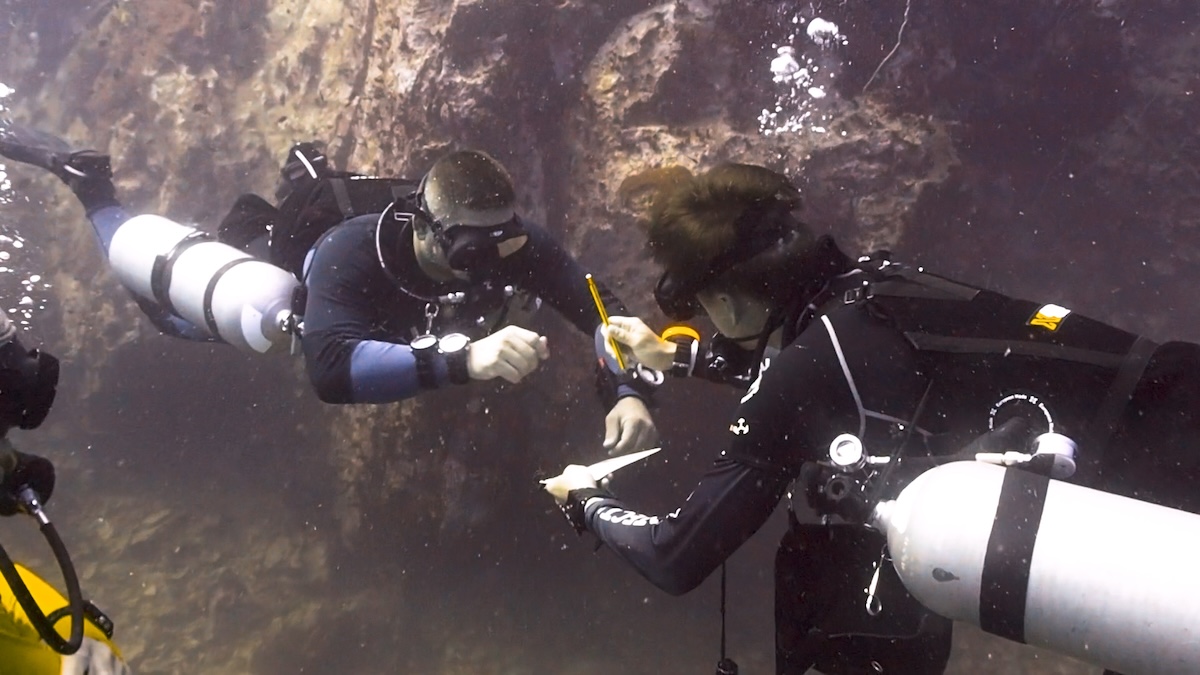
The PADI Sidemount Diver Specialty teaches a configuration where cylinders are carried at the diver’s sides rather than on the back. Originally developed for cave diving, sidemount has become increasingly popular in recreational diving for its improved hydrodynamics, reduced back strain and built-in gas redundancy.
The course involves confined water sessions and three open water dives, with significant focus on trim and buoyancy in the new configuration.
It is a natural bridge toward technical diving and a genuinely different way to experience the underwater world. For divers already thinking about Divemaster or IDC training, sidemount experience is increasingly valued.
Wreck Diver
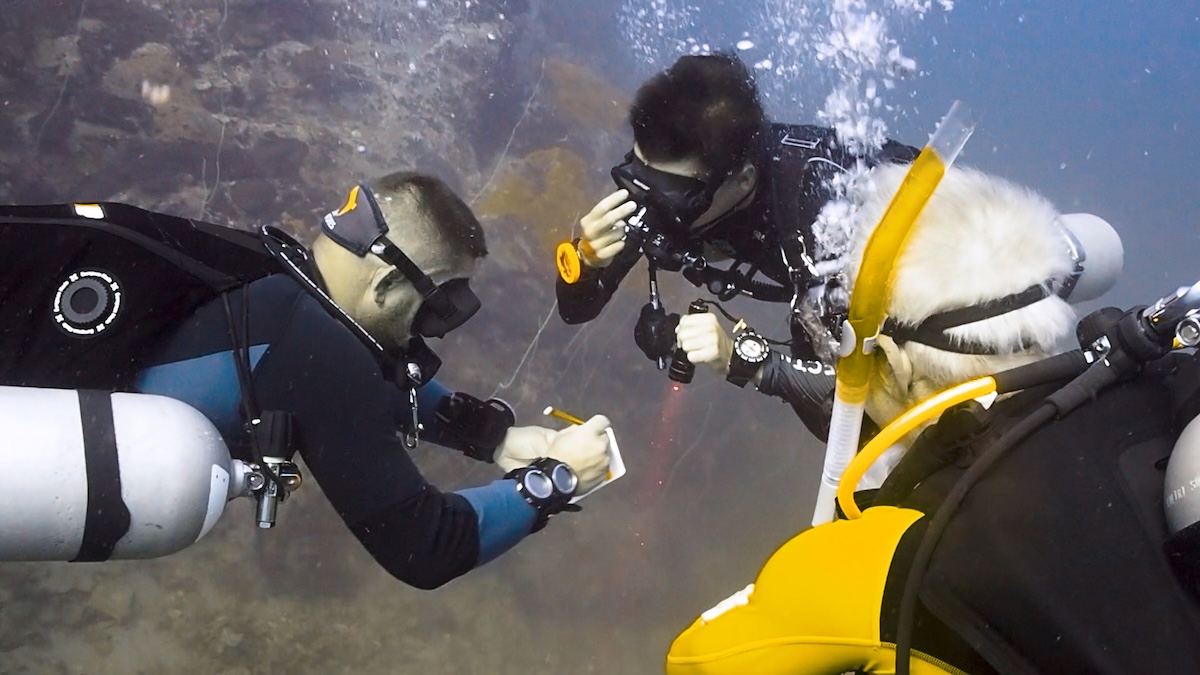
The PADI Wreck Diver Specialty provides the techniques for exploring submerged historical artefacts and artificial reefs safely and responsibly. The course covers wreck mapping, penetration reel use, advanced fin techniques to avoid siltation in confined spaces, and hazard identification.
Koh Tao is home to the HTMS Sattakut, a former US Navy vessel intentionally sunk in 2011 to create an artificial reef. Lying at 18 to 30 metres near Hin Pee Wee on the island’s east coast, it is one of the most accessible and rewarding wreck dives in Thailand. Training here provides real-world experience in a historically interesting environment rather than a sterile training wreck.
Underwater Navigator
The PADI Underwater Navigator Specialty is three dives dedicated to mastering compass and natural navigation. The course covers distance estimation using kick cycles and elapsed time, complex compass patterns including squares, triangles and rectangles, and the natural cues — sunlight angle, sand ripple direction, reef gradient — that allow confident navigation without instruments.
Underwater navigation is one of the skills that separates genuinely competent divers from those who rely entirely on their guide. It is a mandatory Adventure Dive component in the Advanced Open Water course, meaning many divers have already completed Dive 1 before they realise it. If that applies to you, just two more dives complete the full certification.
Choosing Your Five: Building a Meaningful MSD Pathway
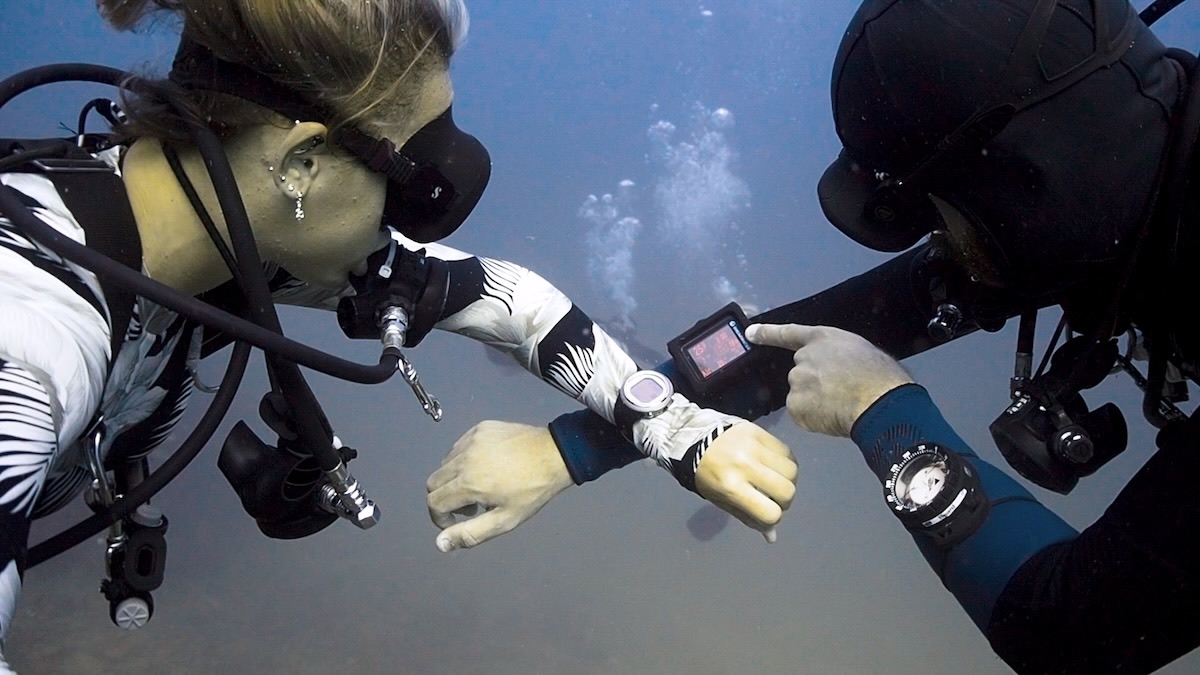
With five choices to make from the specialties above, the combination you select shapes the kind of diver you will be. There is no single correct pathway — the best five are the ones that match your diving interests and the environments you intend to explore.
The Technical Foundation
If your goal is to develop toward higher-level diving, the combination of Deep Diver + Nitrox + Sidemount + Wreck Diver + Underwater Navigator builds a technical skill base that serves every subsequent diving ambition. This pathway is particularly valuable for divers considering Divemaster or IDC training, where breadth of certification is seen favourably by employers.
The Conservation Focus
If marine conservation drives your passion for diving, a pathway of Nitrox + Night Diver + Peak Performance Buoyancy + Wreck Diver and one of the PADI AWARE conservation specialties creates an MSD built around environmental responsibility.
Perfect buoyancy and night diving experience make you a more ecologically aware diver. The conservation specialty signals commitment to the ocean that goes beyond technique.
The Koh Tao Ideal
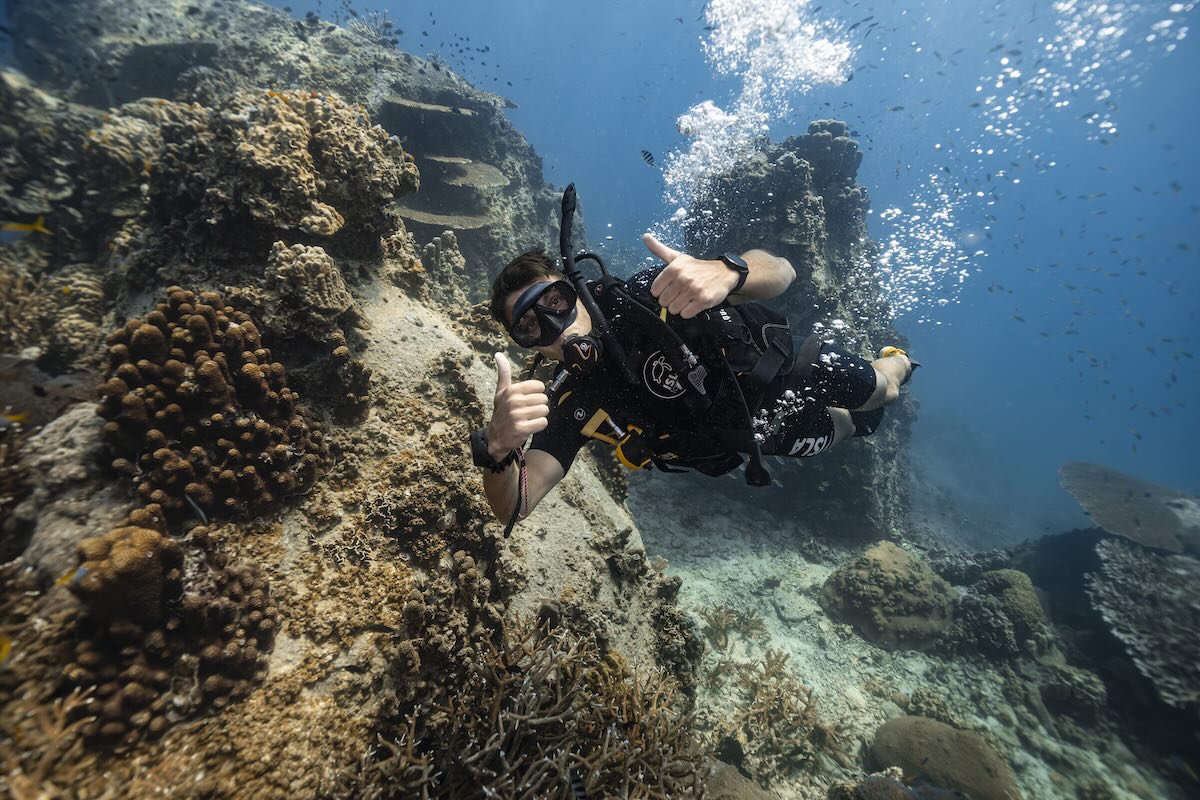
For most divers visiting Koh Tao, we recommend a practical combination that makes the most of what the island’s diving offers: Deep Diver + Nitrox + Night Diver + Underwater Navigator + Peak Performance Buoyancy.
This five gives you access to Koh Tao’s most spectacular dive sites at their full depth, extends your bottom time through the magic of Nitrox, opens up the island’s famous night diving, and builds the navigational and buoyancy skills that underpin everything else.
How Adventure Dives Accelerate Your Progress
Your Advanced Open Water Adventure Dives can credit toward specialties in ways that make the MSD pathway faster and more cost-effective than it first appears.
If your AOW included a Deep Adventure dive, that counts as Dive 1 of Deep Diver. A Navigation Adventure dive credits as Dive 1 of Underwater Navigator. A Night Adventure dive becomes Dive 1 of Night Diver. With three of those in place from a single AOW course, you may need only a handful of additional dives to complete three full specialty certifications.
Speak to the team at Isla Tortuga Divers when you arrive and we will assess which credits apply to your log. In many cases, divers are significantly closer to their MSD than they expected.
The 50 Logged Dives Requirement
The minimum logged dive requirement for MSD is 50 dives. This is an important element of the rating’s credibility — the MSD is not simply a collection of certifications but a reflection of real accumulated experience.
For context, completing an Open Water course accounts for four dives. An Advanced Open Water adds five. With three specialty courses of two or three dives each, and a Rescue Diver course, a dedicated diver can accumulate around 20 to 25 course dives. The remaining dives need to come from fun diving and experience — which, on Koh Tao, is no hardship at all.
Unlock Your Dive Potential With PADI Specialties
The PADI Master Scuba Diver rating is not the end of a journey. It is the mark of a diver who has taken the time to build genuine expertise, explore different disciplines and develop a relationship with the underwater world that goes far beyond a basic certification.
Each specialty you complete at Isla Tortuga Divers adds a layer of skill, a new way of seeing the reef, and a step toward a level of diving achievement that fewer than two percent of PADI divers reach. Koh Tao, with its exceptional dive sites, year-round conditions and experienced instructors, is one of the finest places on earth to build that pathway.
Want to map out your MSD route? Contact the team at Isla Tortuga Divers and we will build a personalised specialty plan around your existing certifications, your schedule and the diving you love most.
Written by Lucas Levy @ Isla Tortuga Divers
Award-Winning PADI Platinum Course Director | Isla Tortuga Divers General Manager | Shaping New Divers into Successful Dive Professionals Across Thailand’s Gulf | Conservation Diver Instructor | EN/FR/ES/PT